

Light Filtering Curtains
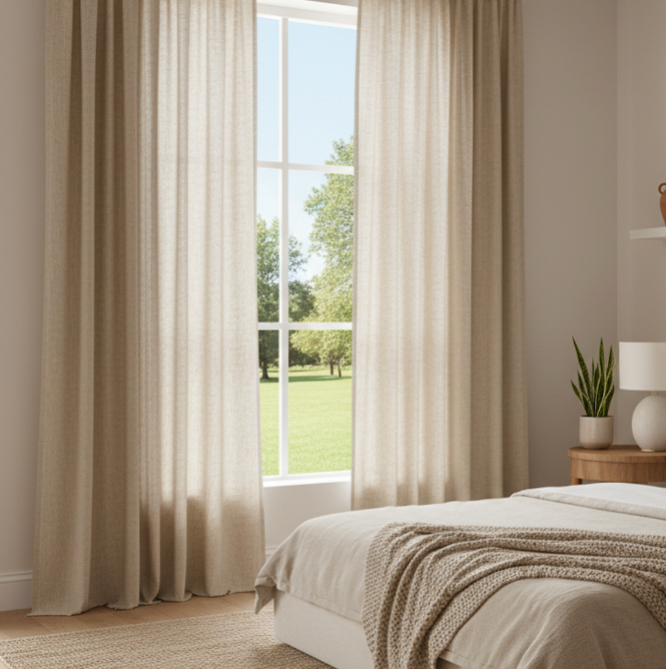
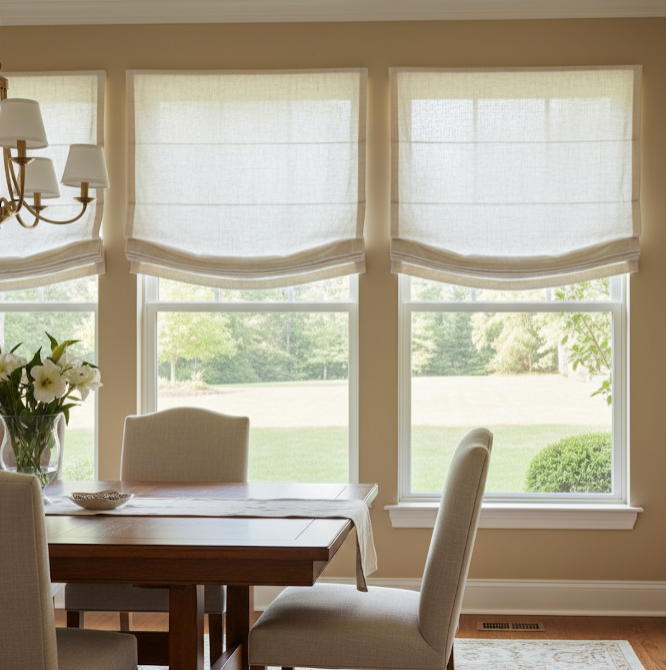
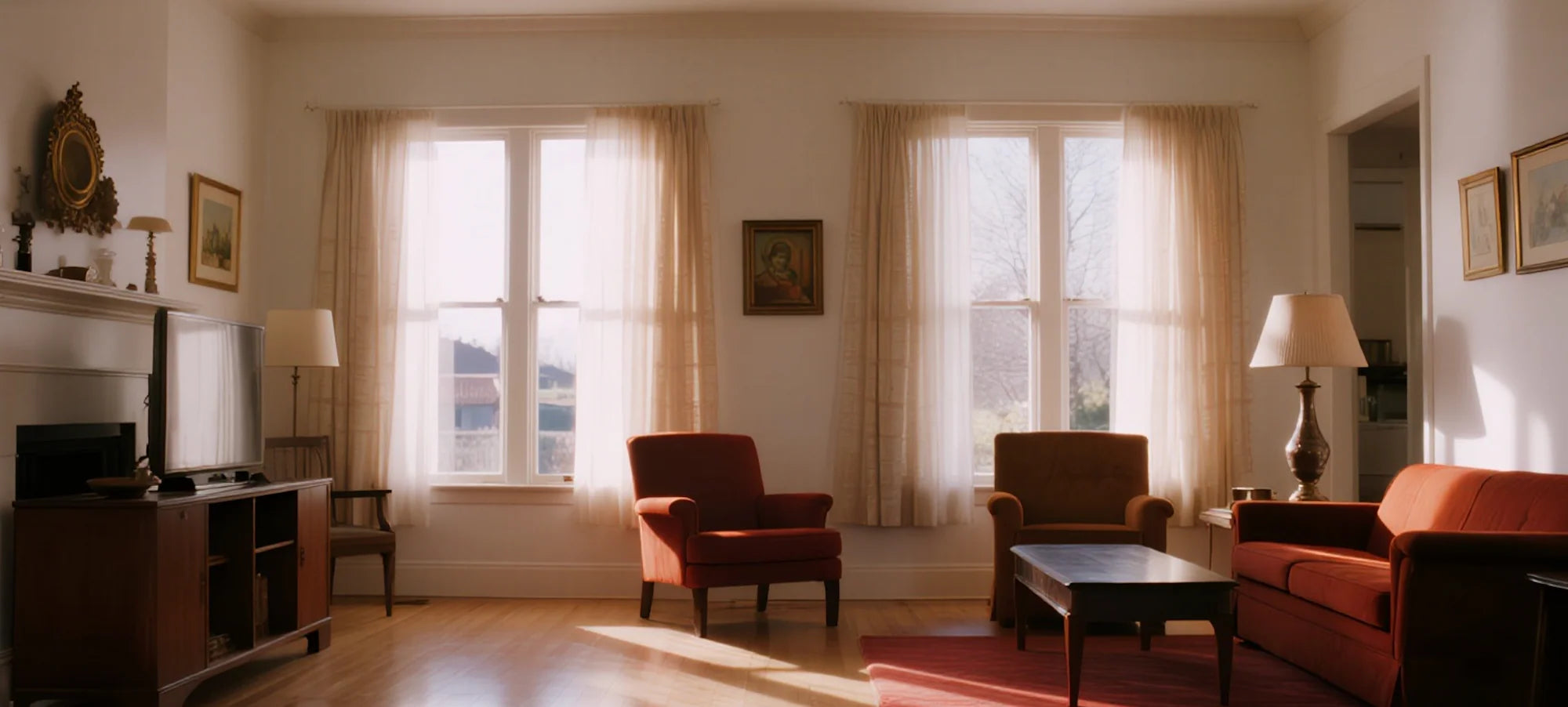
Light-filtering curtains are designed to soften incoming daylight while providing a degree of daytime privacy.
Light-Filtering Curtains
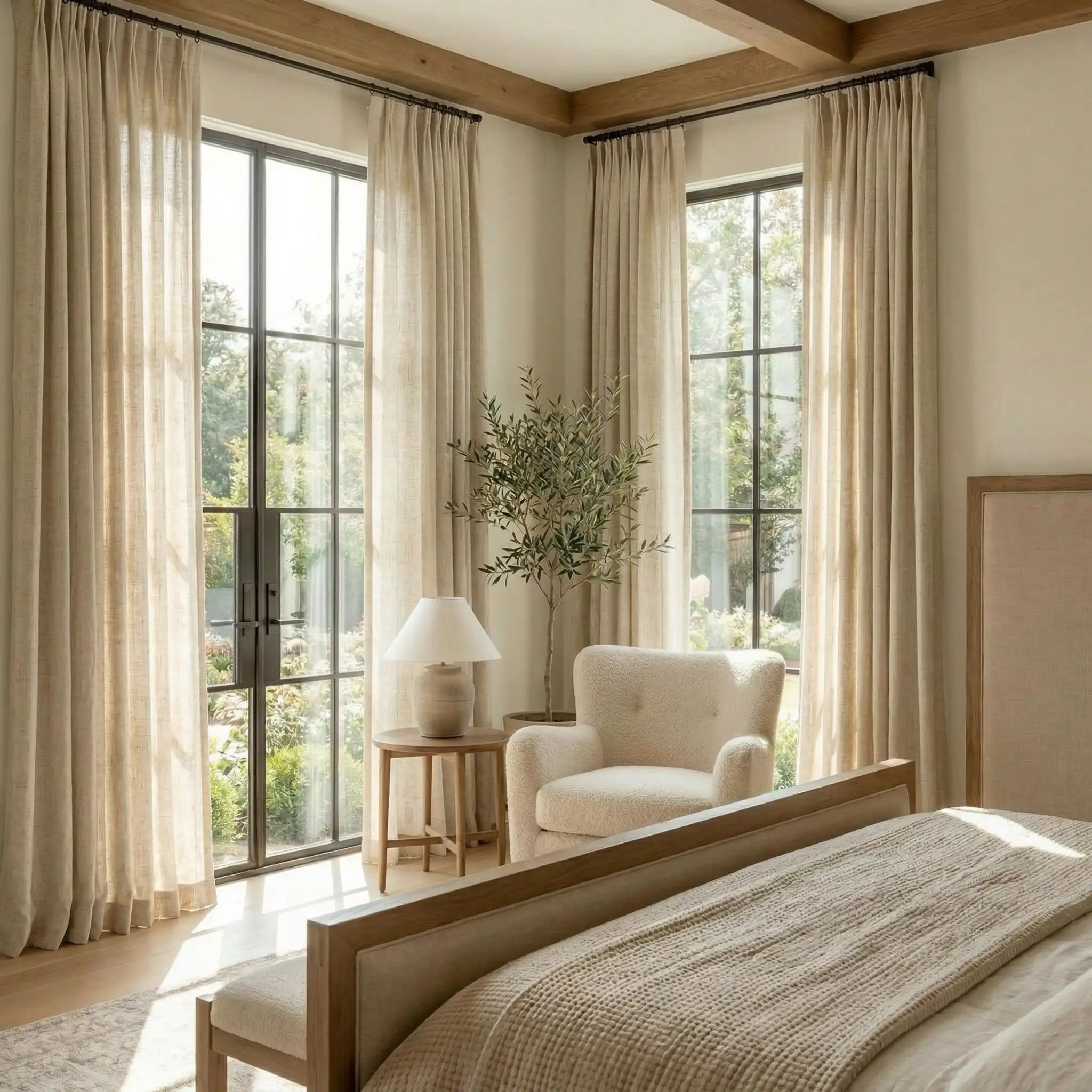
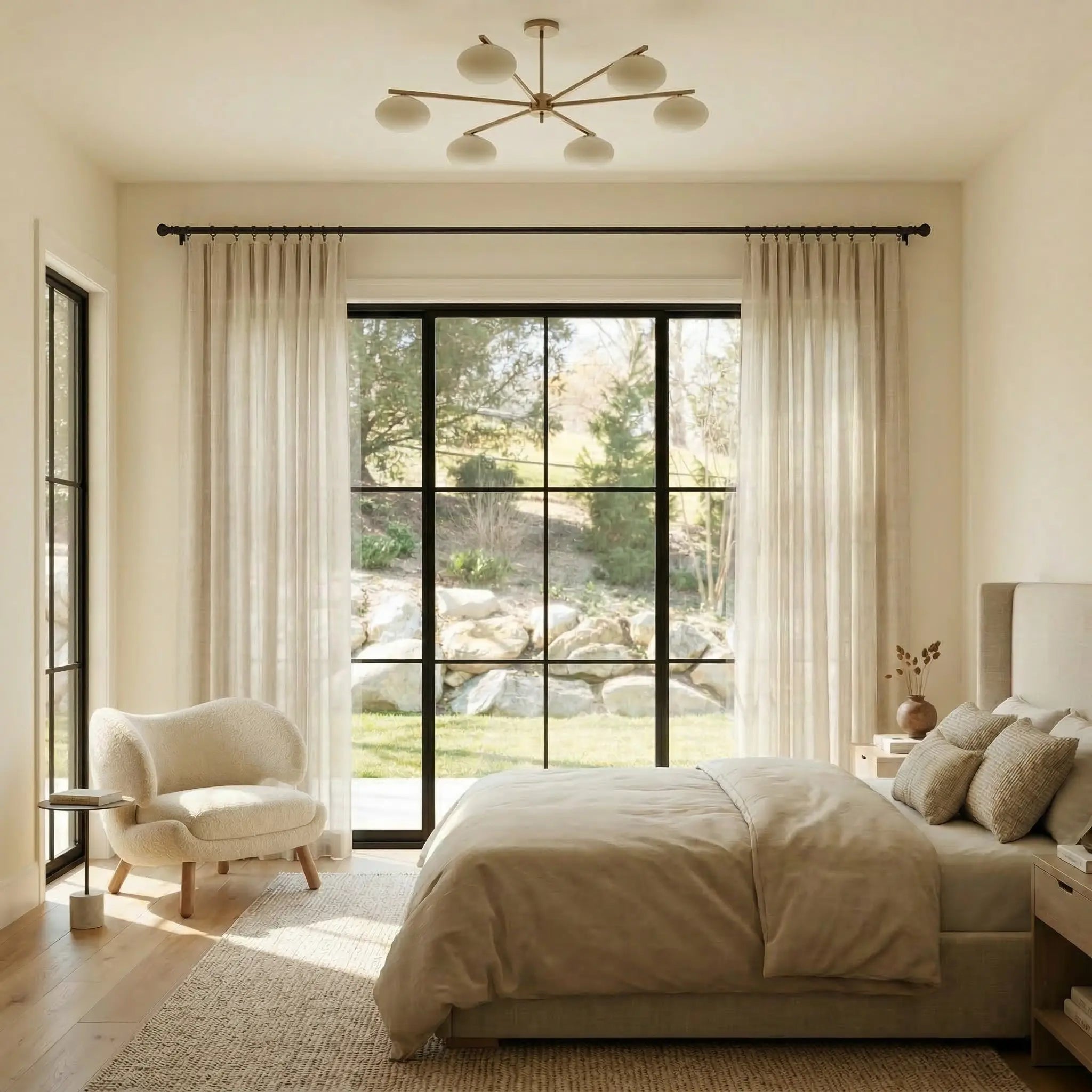
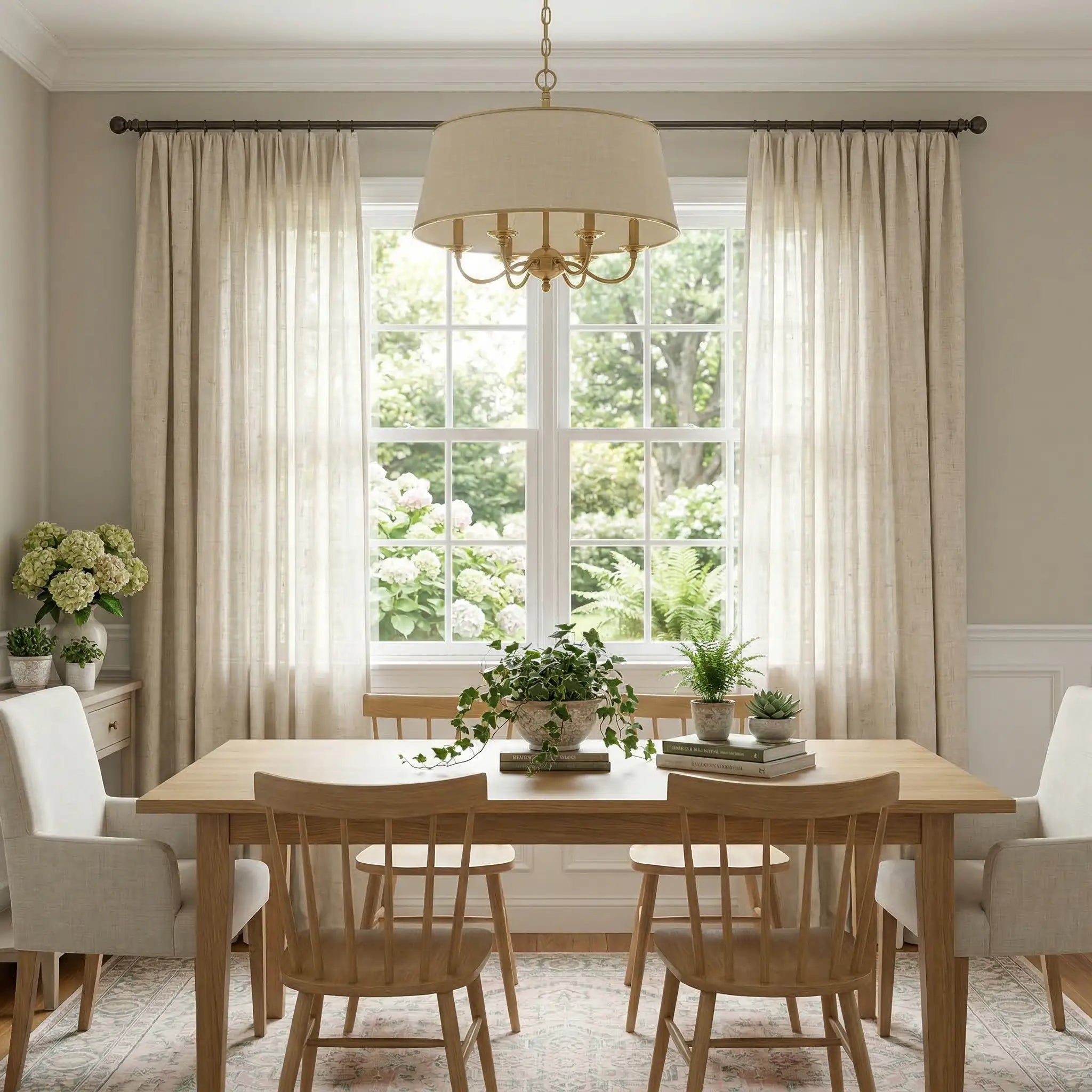
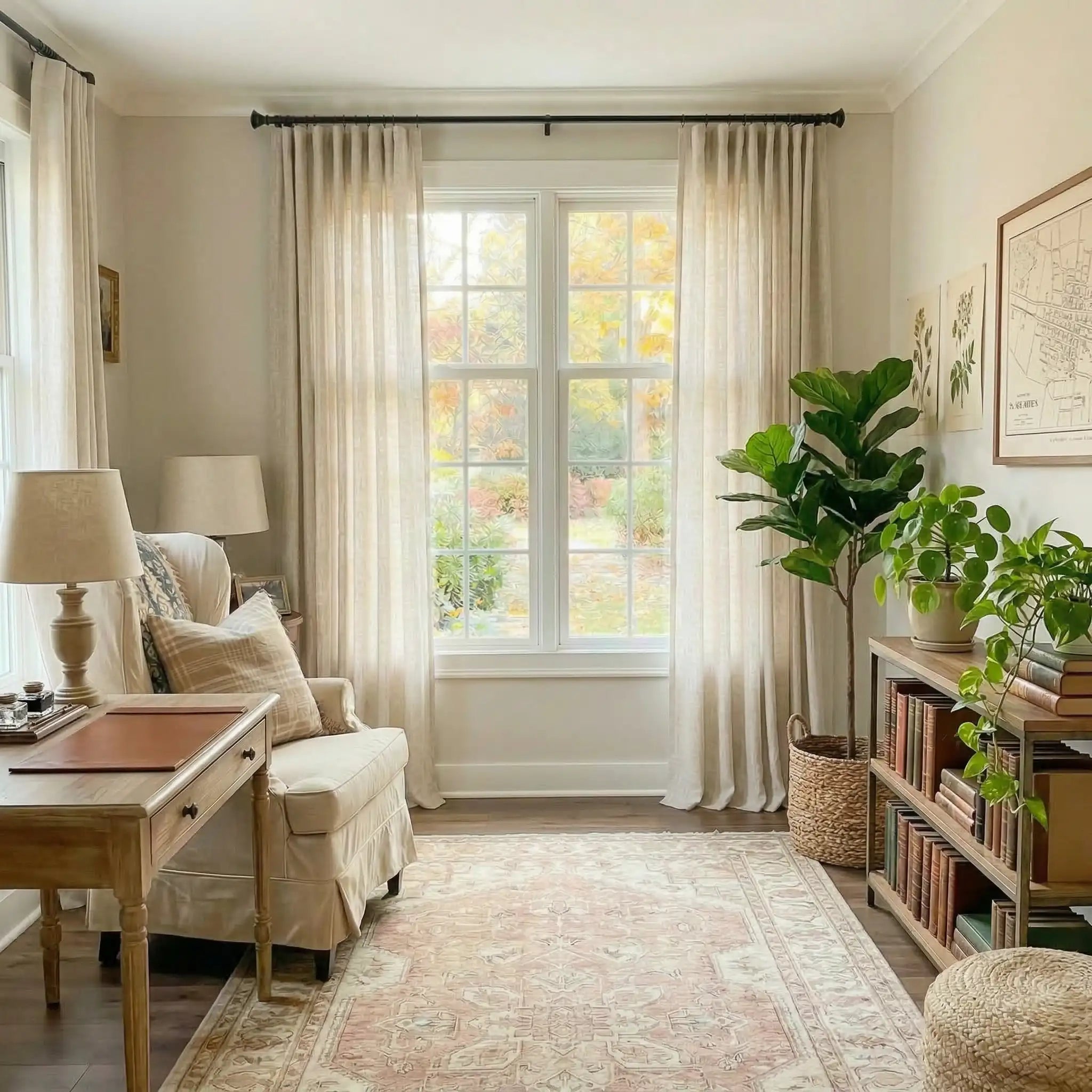
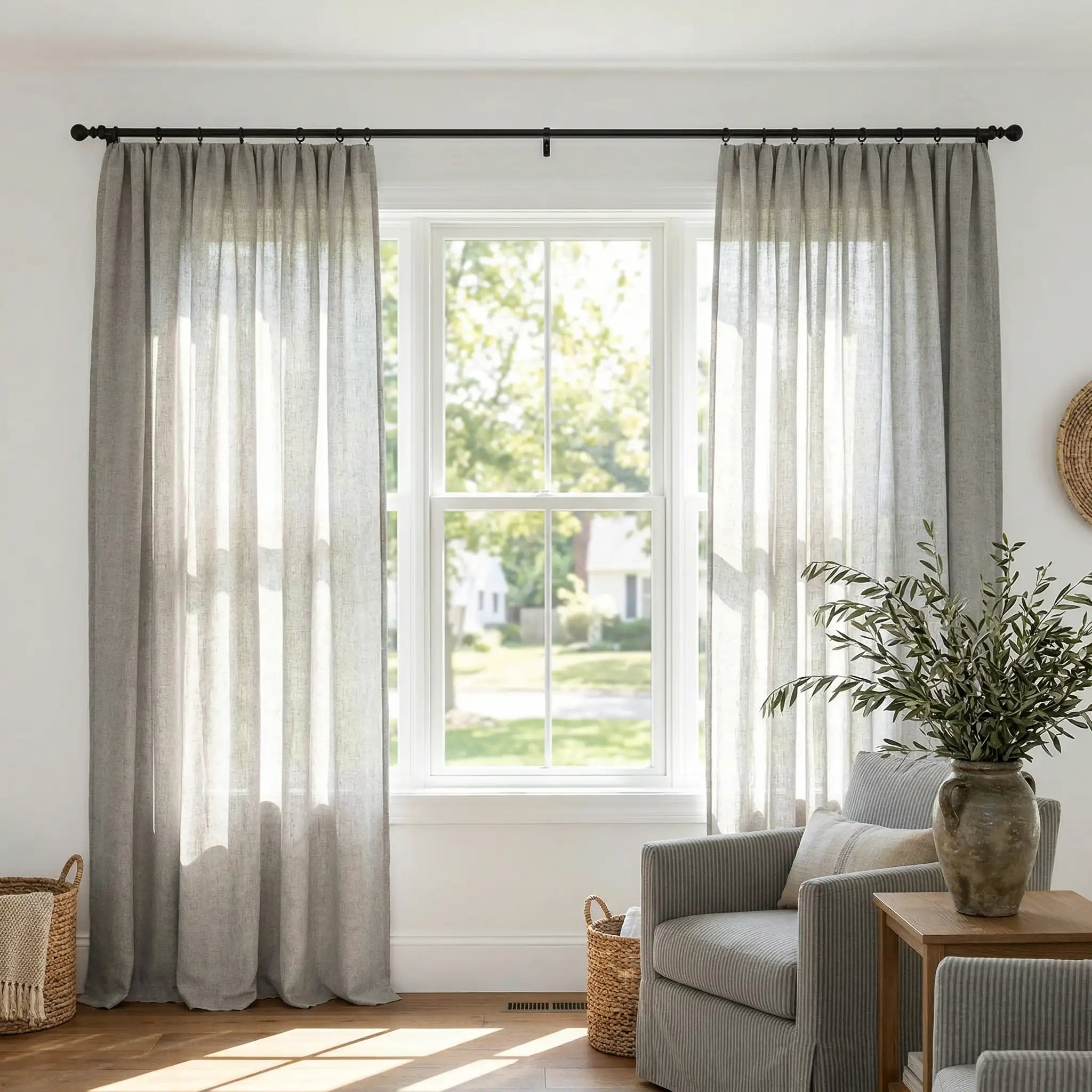
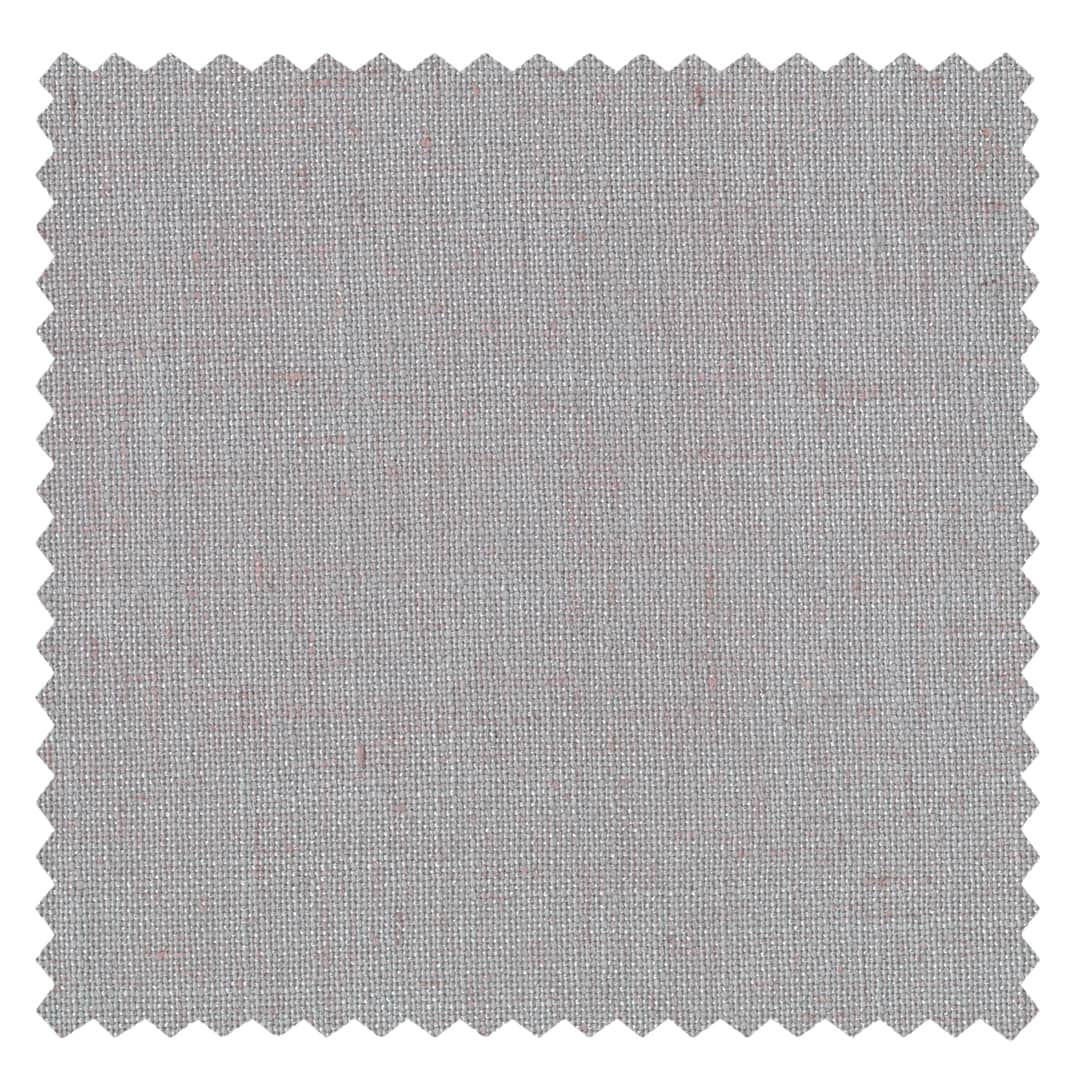
Let the Light In: Curtains for Soft Daylight and Added Privacy
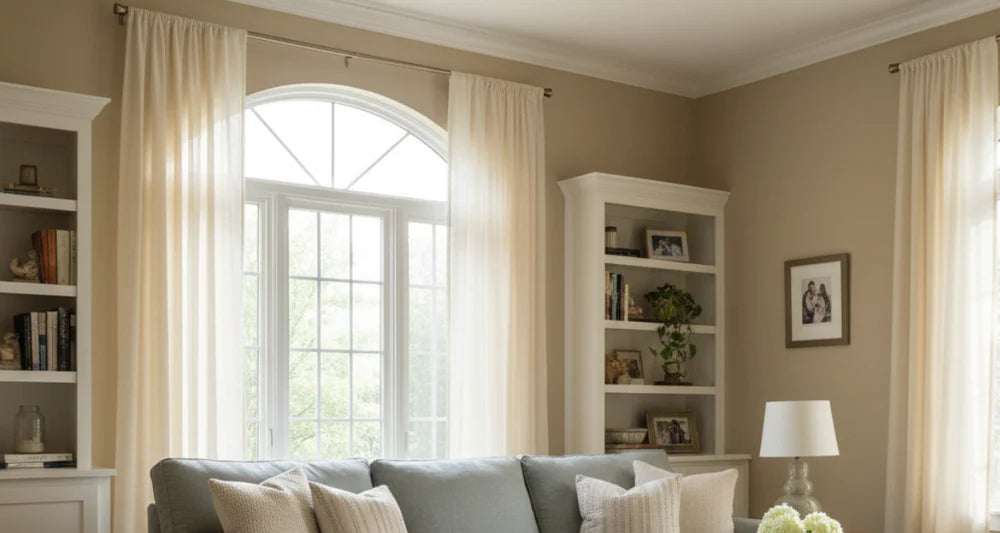
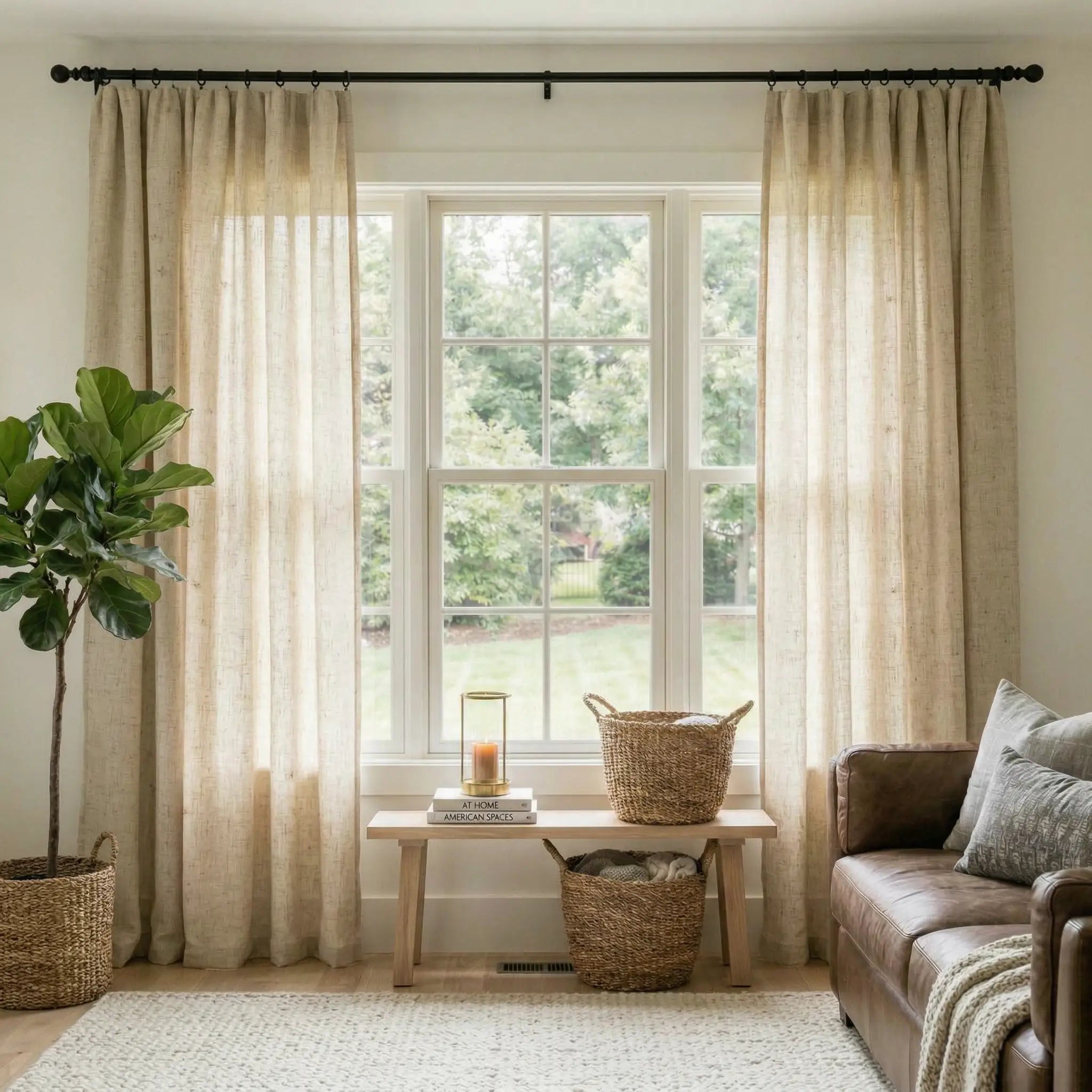
Light-diffusing curtains can add warmth and texture while allowing softened natural light into the room.
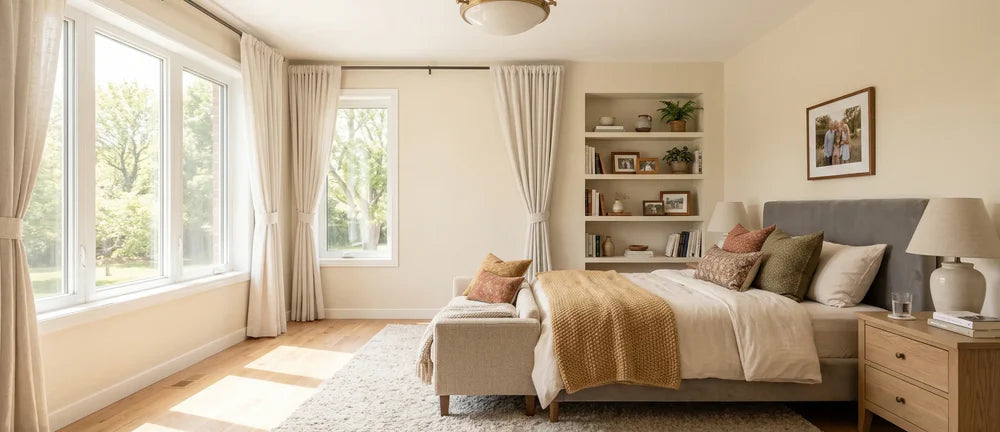
They are suitable for living rooms, bedrooms, and dining areas where a balance of daylight and added privacy is preferred.
Privacy levels vary with fabric density, color, lining, and indoor versus outdoor lighting.
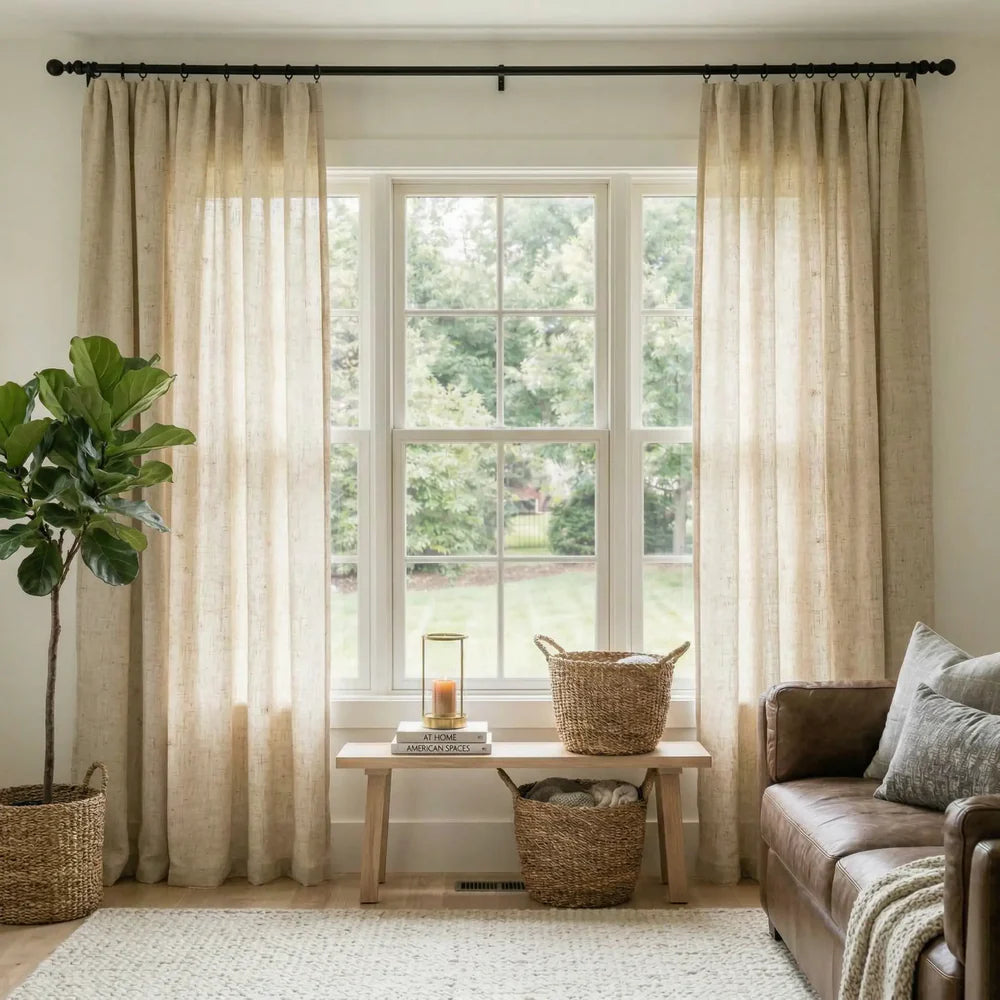
Light and Privacy Features
Soft Daylight – Light-filtering fabric is designed to diffuse incoming sunlight and help reduce glare while retaining natural illumination. The visible effect varies with fabric density, color, lining, window orientation, and time of day.
Daytime Privacy – These curtains can provide a degree of privacy during daylight hours. Privacy may be reduced at night when interior lights are on, and performance varies with the selected fabric and lighting conditions.
Fabric and Lining Choices – Textures, colors, and lining selections vary by product. Refer to each product page for the configurations currently available.
Custom Styling – Curtain panels can be ordered with selected heading and fullness options where available, supporting a range of living rooms, bedrooms, dining rooms, and other interior spaces.
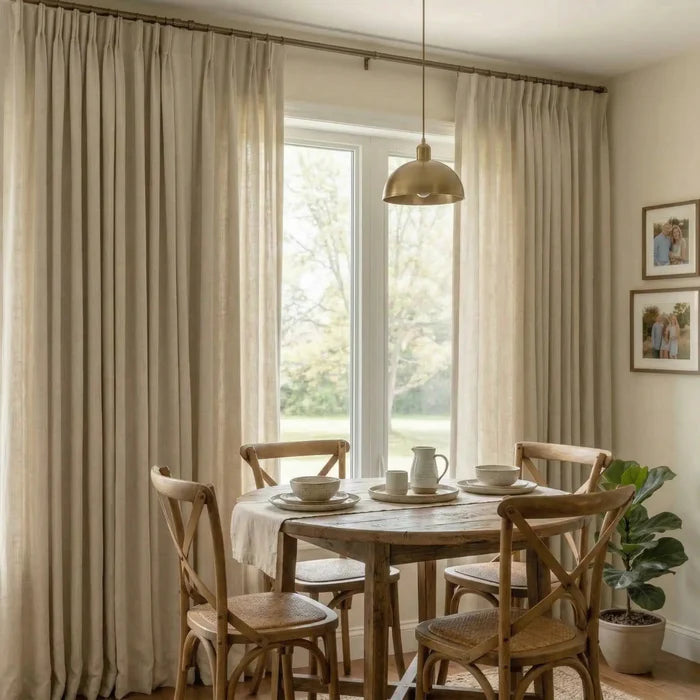
Layered Window Treatments for Flexible Light Control
Layering light-filtering curtains with room-darkening or blackout shades can provide more flexible control over daylight and privacy. During the day, the curtains can soften incoming light; at night, closing the secondary window covering can help reduce outside light and increase privacy.
The resulting level of room darkness depends on the selected products, fabric, color, fit, edge gaps, window construction, and installation.
Frequently Asked Questions
What are light-filtering curtains?
Light-filtering curtains are made from fabrics that diffuse incoming daylight rather than blocking most of it. They can help reduce glare and provide a degree of daytime privacy while keeping the room naturally lit. The visible effect varies with fabric density, color, lining, window orientation, and lighting conditions.
Do light-filtering curtains provide privacy?
They can provide a degree of daytime privacy, particularly when the exterior is brighter than the interior. At night, when interior lights are on, silhouettes or room details may be visible from outside. Privacy varies with the selected fabric, color, lining, fullness, and the difference between indoor and outdoor lighting.
Where can light-filtering curtains be used?
Light-filtering curtains can be used in rooms where softened daylight and added privacy are preferred:
- Living and dining rooms – Help diffuse daylight and reduce glare while maintaining an open appearance.
- Home offices – Can soften direct sunlight around work areas and screens.
- Kitchens – Allow natural light while adding a degree of daytime privacy.
- Bedrooms – Suitable when some daylight is desired; layer with a room-darkening or blackout window treatment when greater light reduction is needed.
Can light-filtering curtains help reduce sun exposure to furnishings?
Light-filtering curtains may reduce the amount of direct sunlight and some UV exposure reaching furniture, rugs, and flooring, which can help slow fading. They do not eliminate UV exposure or prevent sun damage. Performance varies with fabric weave, color, lining, window orientation, and duration of exposure. For stronger protection, consider a denser fabric, an appropriate lining, or a product with documented UV-performance information.
Can I layer light-filtering curtains with other window treatments?
Yes. Layering can provide more flexibility in managing light, privacy, and appearance:
- Pair them with room-darkening or blackout shades when greater light reduction is preferred.
- Combine them with sheer panels for added texture and a softer layered appearance.
- Add blinds or shades for more adjustable privacy and light control. Any thermal or insulating effect varies with the products, window, fit, and installation.
How should I clean light-filtering curtains?
Always follow the care instructions shown on the product page or care label, because cleaning requirements vary with the fabric, dye, lining, and construction.
- Routine care: Use a soft brush attachment on low suction or gently shake out loose dust.
- Machine-washable fabrics: Use only the cycle, water temperature, and drying method specified for that product.
- Delicate or specialty fabrics: Spot cleaning or professional dry cleaning may be recommended. Test any cleaning method on an inconspicuous area first.
What is the difference between light-filtering and room-darkening curtains?
- Light-filtering curtains diffuse daylight and help reduce glare while allowing the room to remain naturally lit.
- Room-darkening curtains reduce more incoming light and generally create a dimmer interior.
- Blackout curtains use denser or lined construction for a higher level of light reduction. The actual darkness achieved varies with fabric, color, fit, edge gaps, window construction, and installation.