

Cellular Shades
Smarter Shades, Better Living
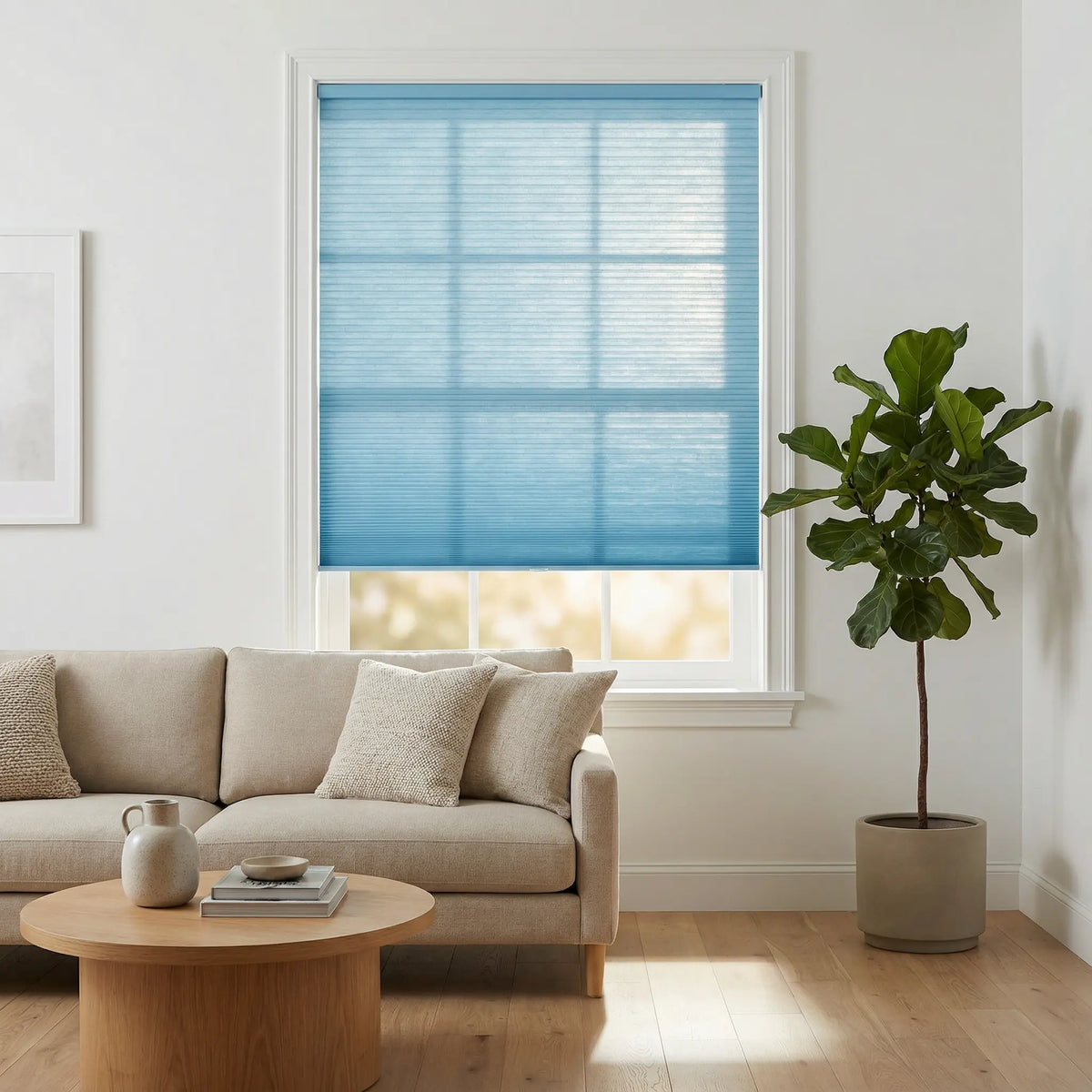
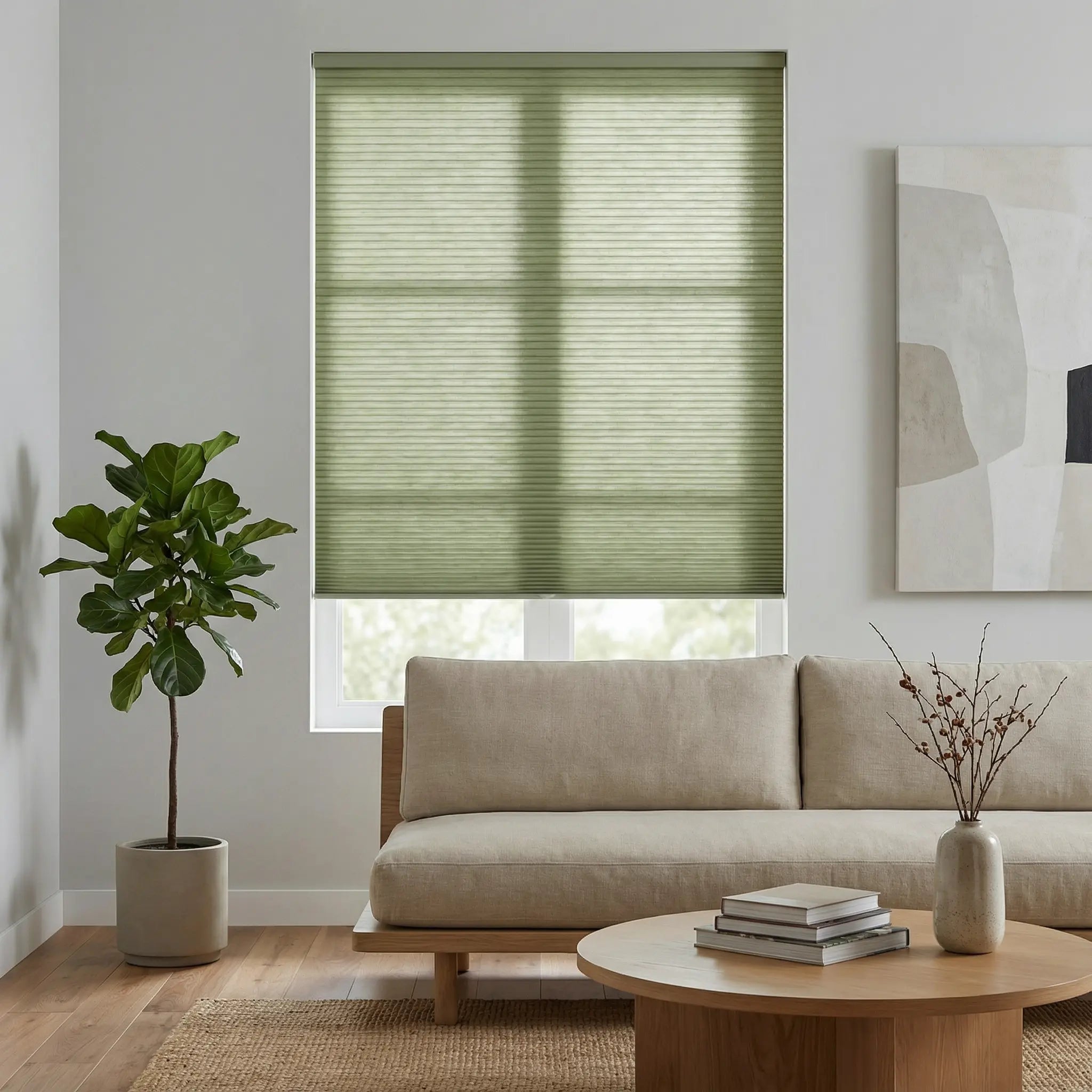
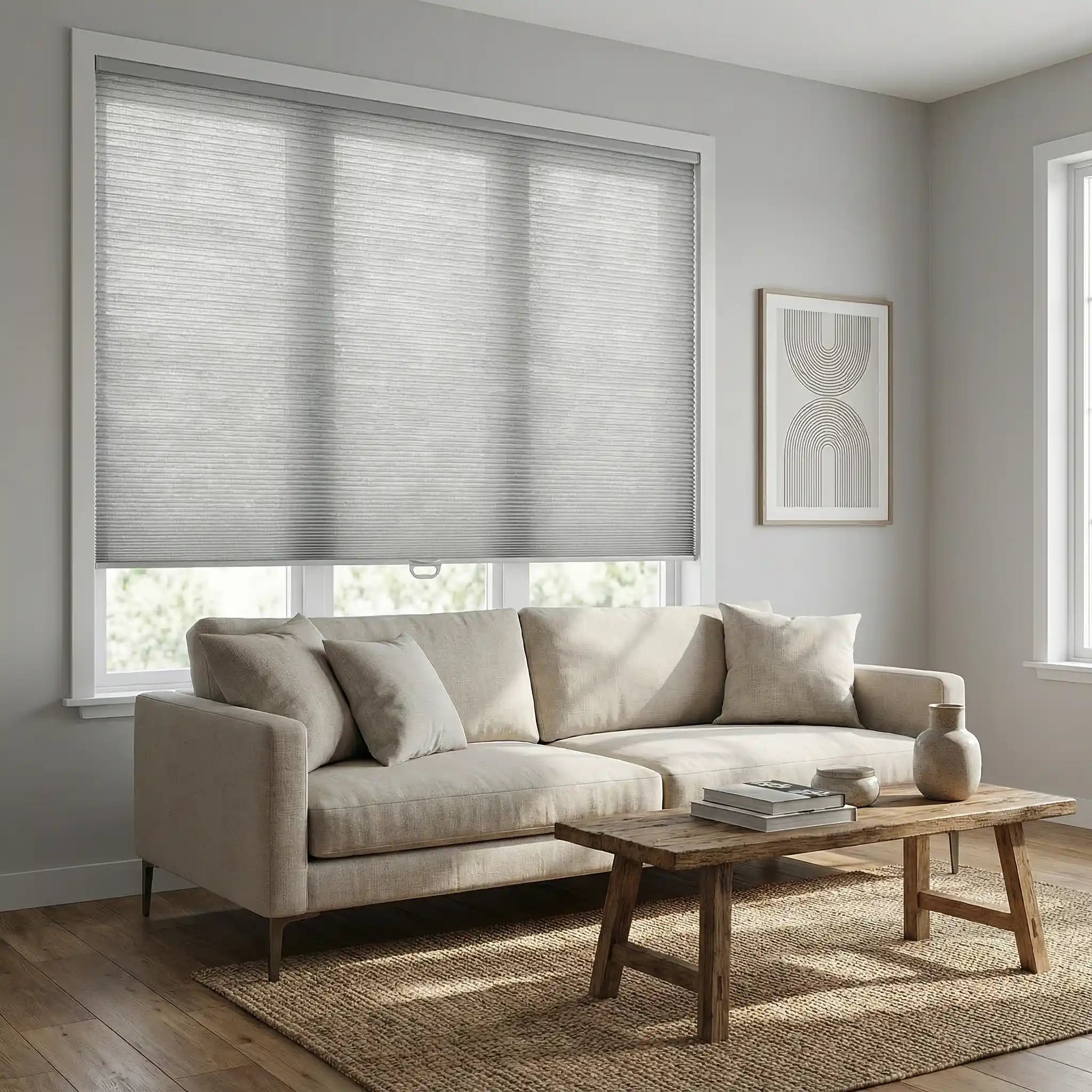
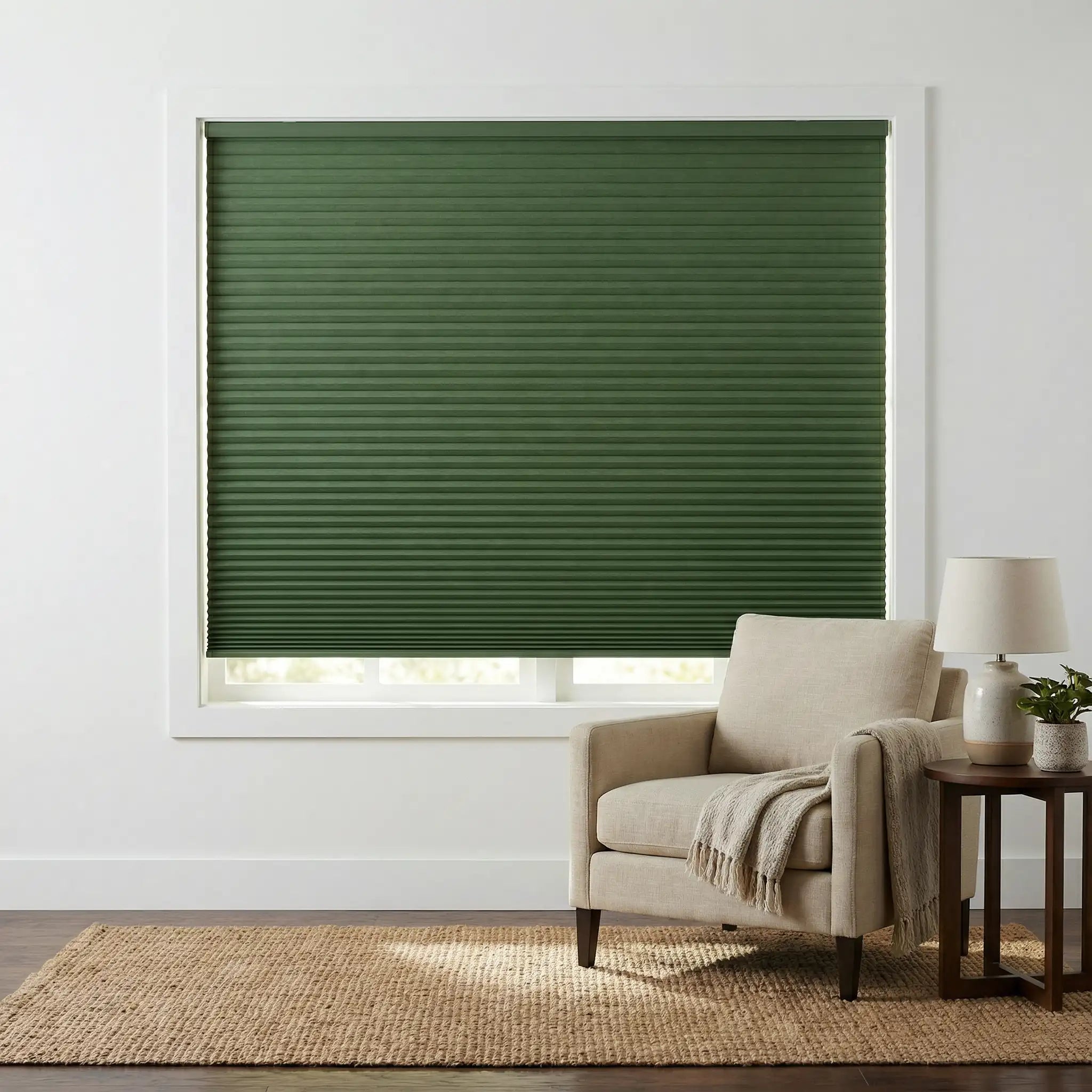
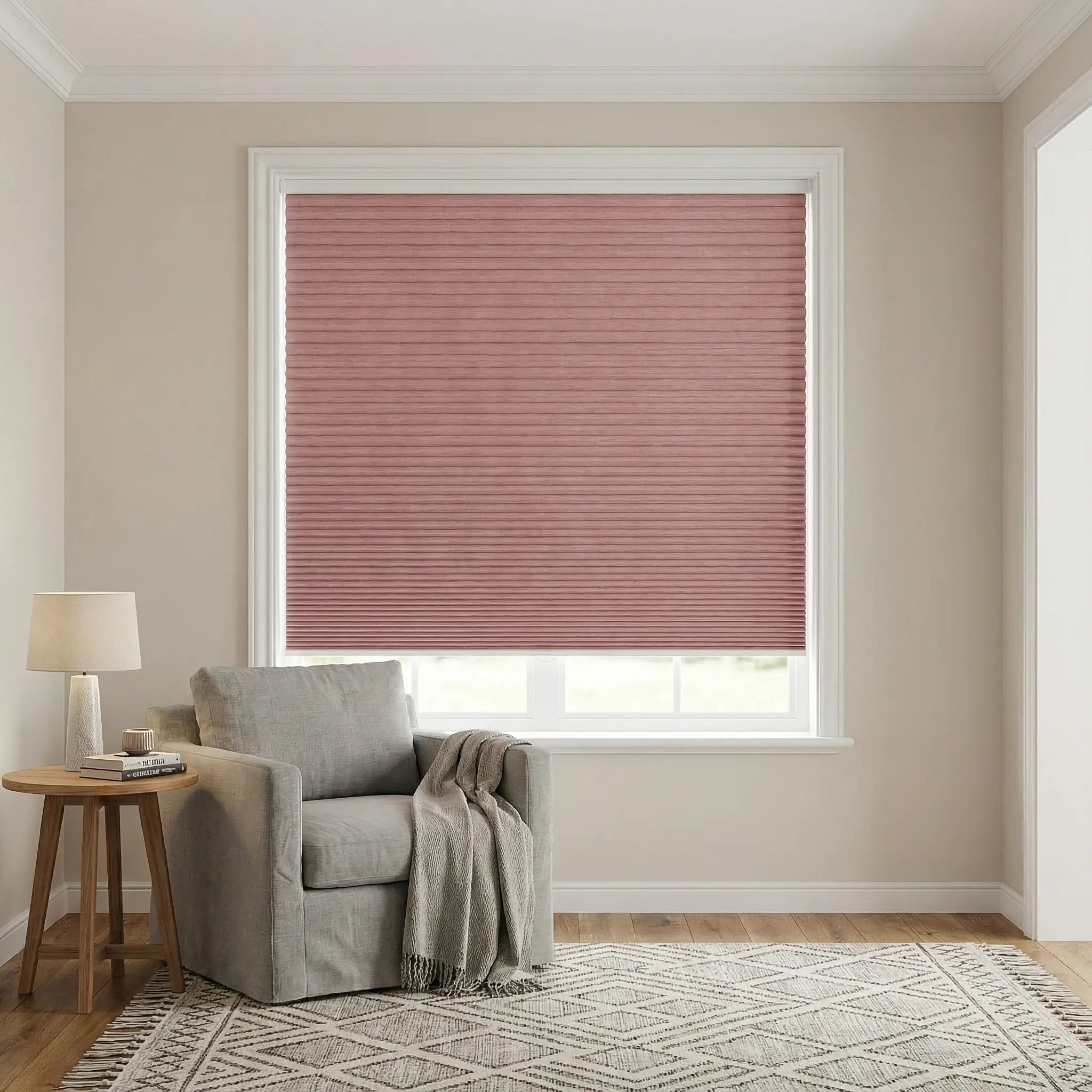
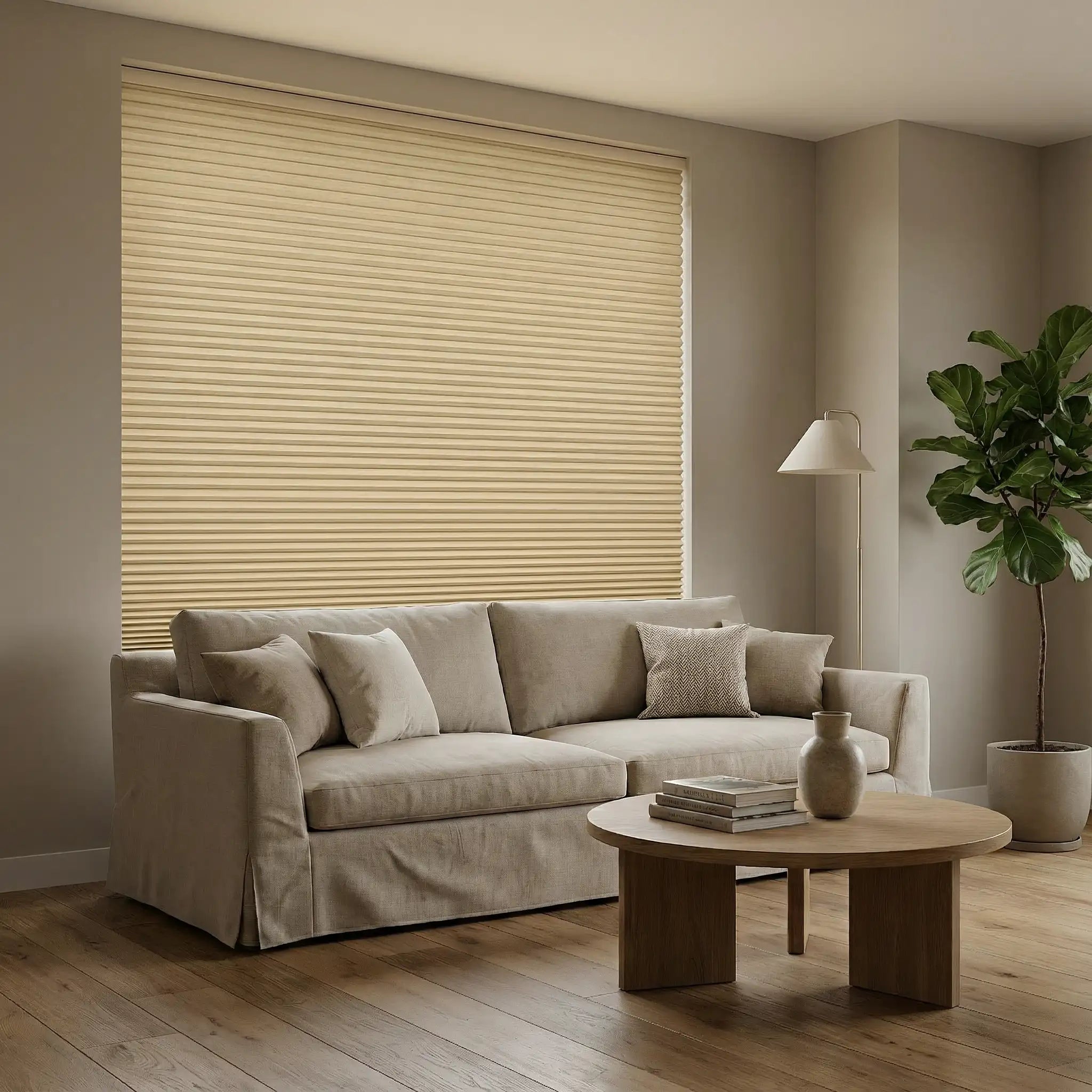
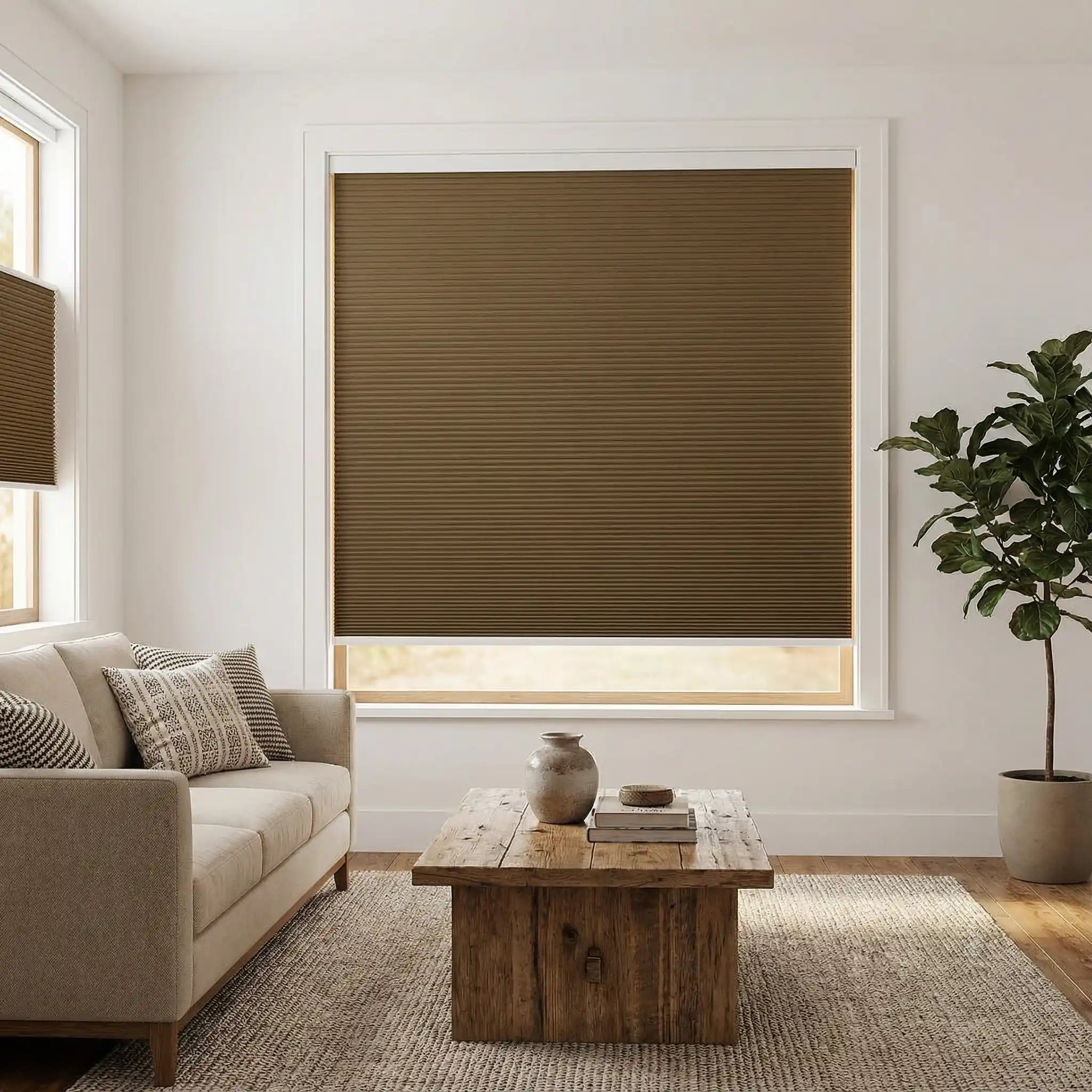
Designed for Comfort and Energy Efficiency
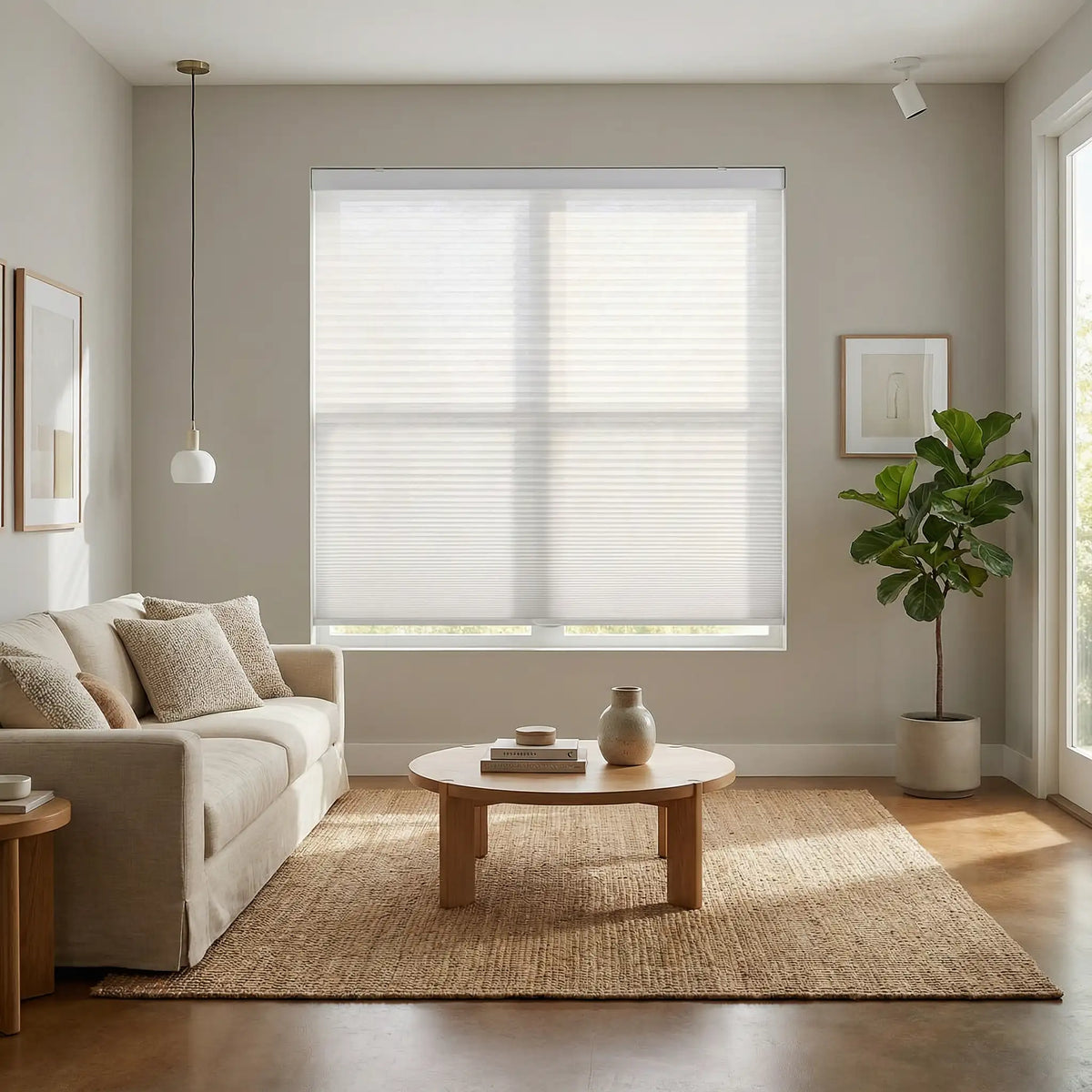
Looking for a way to support home comfort and energy efficiency? Cellular shades are a practical option. Their honeycomb structure creates insulating air pockets that can help reduce heat transfer and support a more comfortable indoor environment across seasons.
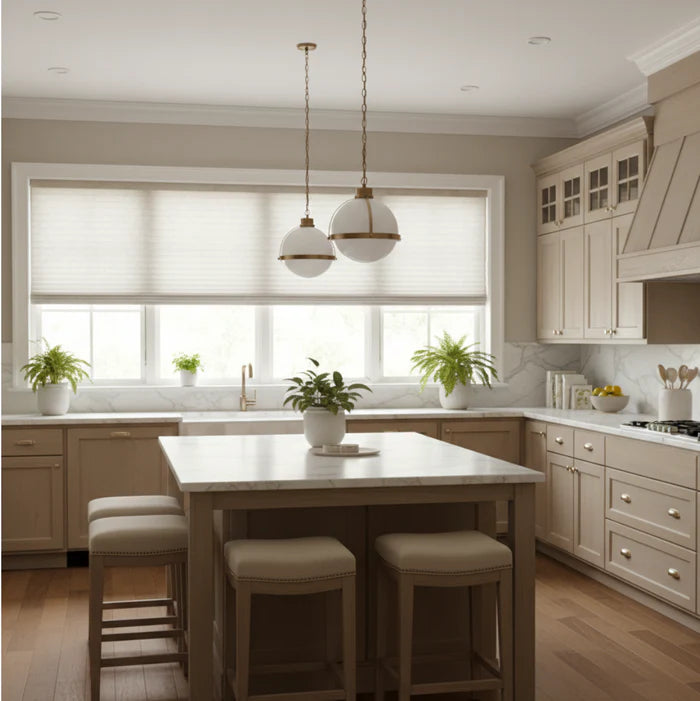
What are Cellular Shades
A window covering featuring a honeycomb structure. The cells create air pockets that can help reduce heat transfer and soften some outside noise, while also supporting light control and privacy.
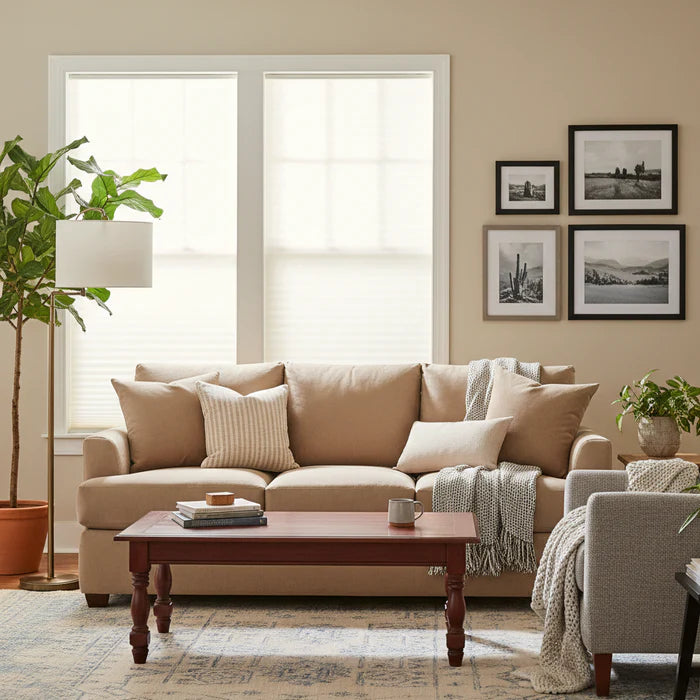
Benefits of Cellular Shades
Thermal insulation: The honeycomb design can help reduce heat transfer and support a more comfortable indoor environment across seasons.
Sound-softening: Air pockets within the cells may help reduce some outside noise.
Adjustable light control: The shade can help manage incoming light based on the selected fabric and shade position.
Versatile style: The streamlined design can complement a range of interior styles.
Cellular Shade Design Types
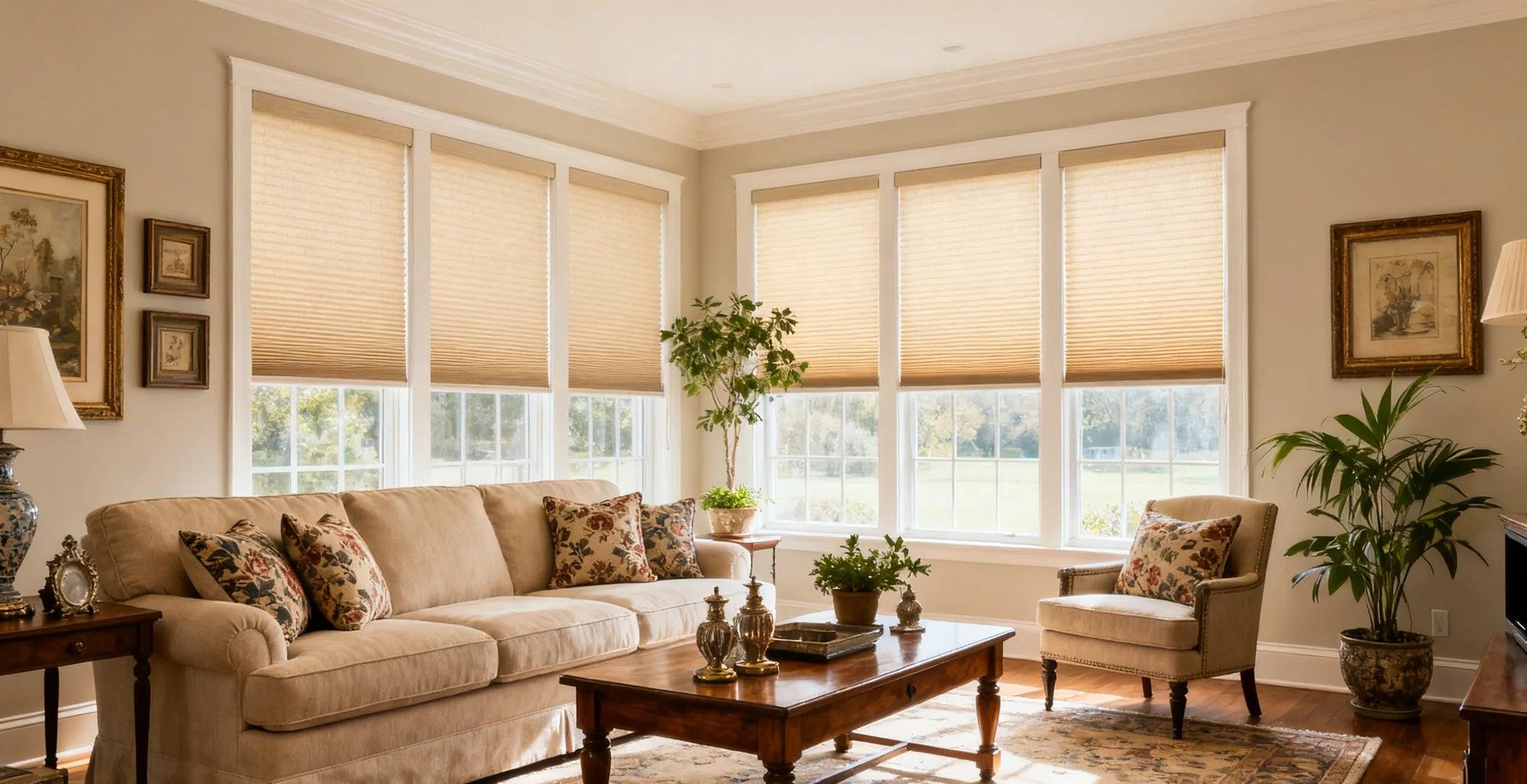
Single Cell Cellular Shades: Featuring a classic honeycomb design, they are designed to provide thermal insulation and light filtering, making them a practical option for supporting energy efficiency and everyday light control.
Day & Night Cellular Shades: Designs that combine sheer and room-darkening fabrics can provide adjustable light levels for added flexibility throughout the day.
Available designs and fabric options vary by product. Please refer to the individual product page for the configurations currently offered.
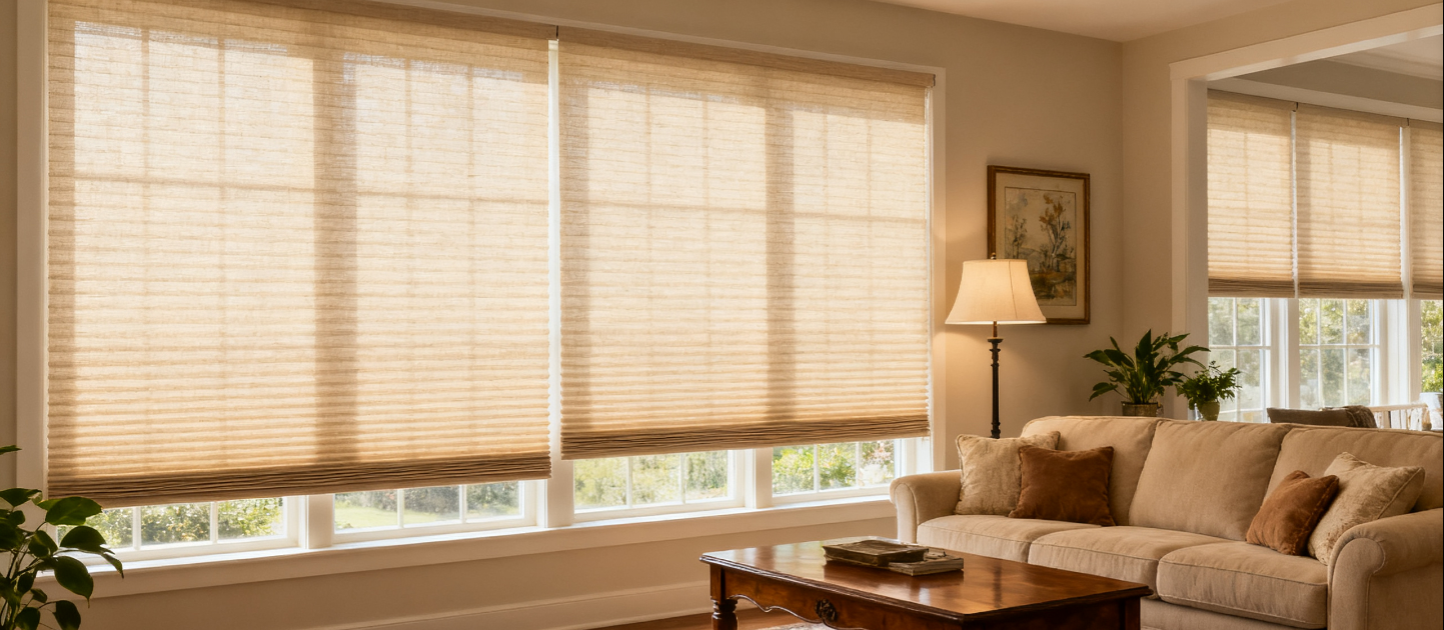
Single Cell Cellular Shades
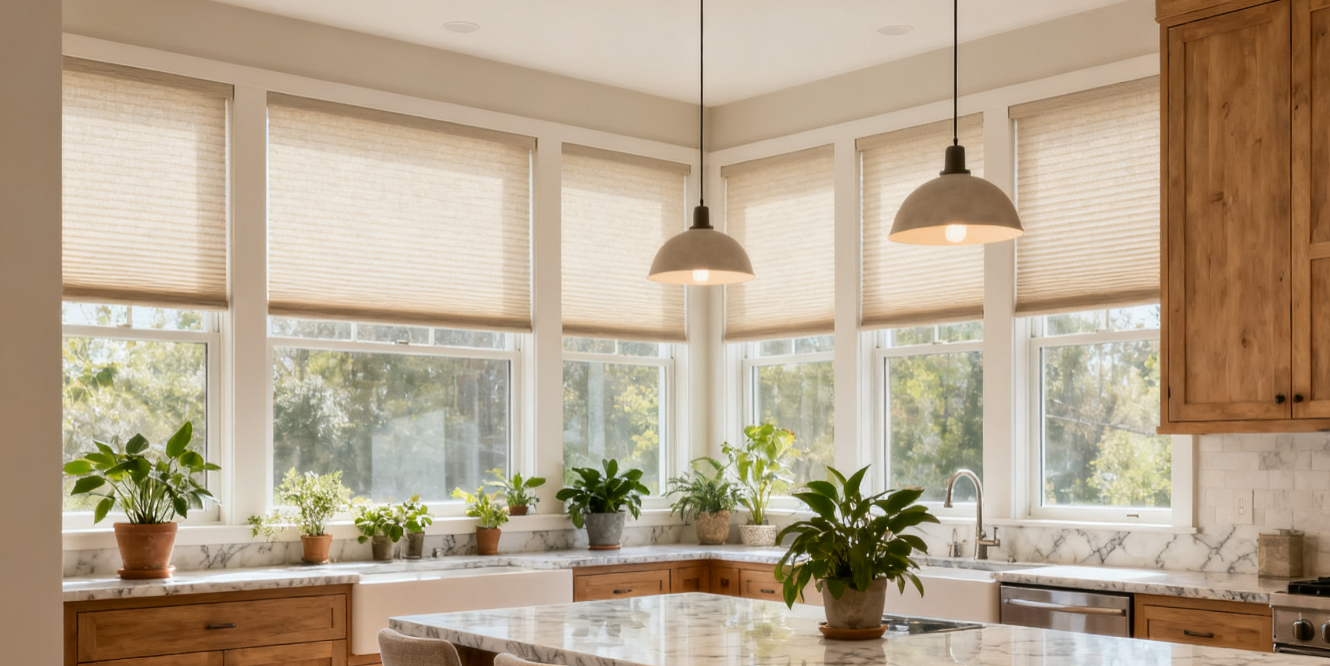
Day & Night Cellular Shades
Frequently Asked Questions
How much do cellular shades cost?
The final price depends on window size and selected options. Please choose the available measurements and configuration on the product page to view the applicable price.
How much light can cellular shades block?
Light control varies by product, fabric color, fit, and installation. Blackout cellular shades are designed to substantially reduce incoming light, while semi-blackout styles allow more light to pass through. Please check the individual product description before ordering.
Is it hard to install cellular shades?
Installation requirements vary by window and mounting type. Many customers can install cellular shades by following the provided instructions. If additional help is needed, consider consulting a qualified local installer.
How should I choose a color for my cellular shades?
Consider your décor style and light-control preferences. Lighter colors can create a brighter visual effect, while darker colors may appear to reduce light more noticeably. Actual performance varies by fabric, fit, and installation.
Can cellular shades be used in humid areas?
Suitability depends on the material and ventilation conditions. Standard fabric cellular shades are generally better suited to normally dry indoor spaces. Avoid direct water exposure and check the individual product care information before use in a humid area.